Punching Technique
Coordinate the feet, hips, torso, and hands through each punch, then return to guard without leaning or overreaching.
Technique training
Technical training breaks boxing movements down, then reconnects them through controlled drills, pad work, and bag work.
Technical focus
Good technique starts with a position you can maintain. Stance, guard, balance, and distance affect every punch, defensive movement, and combination that follows.
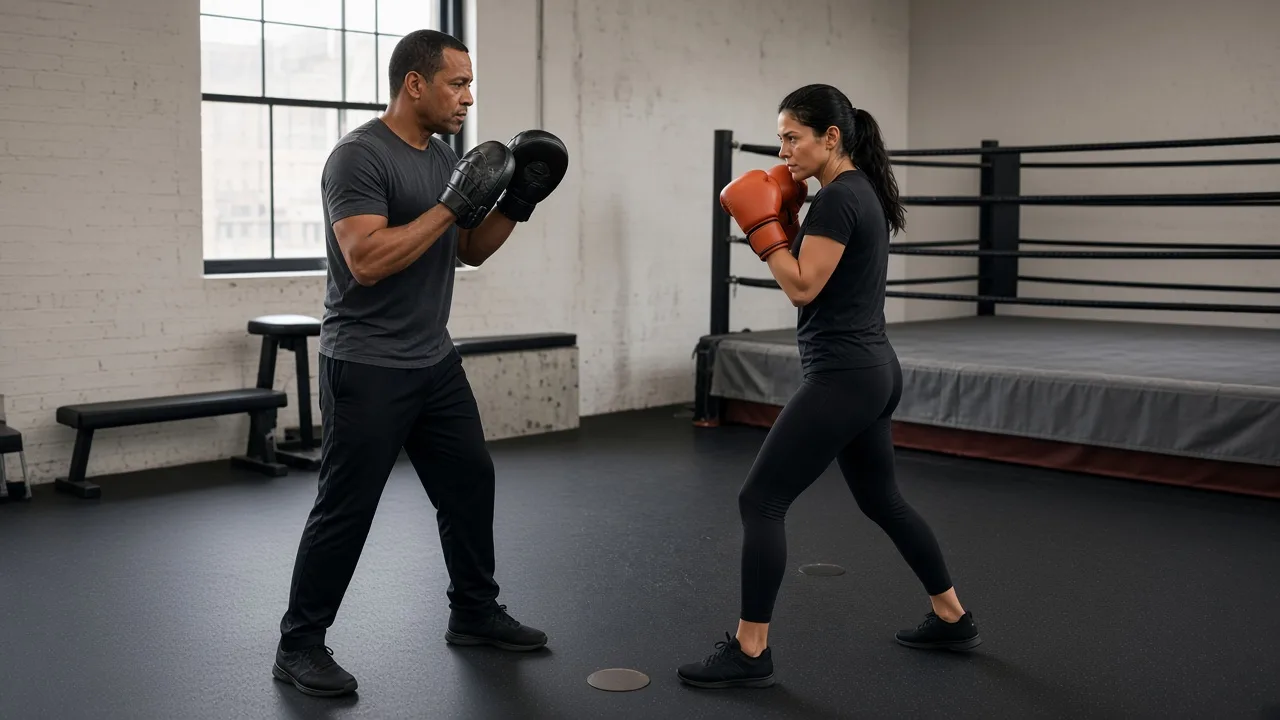
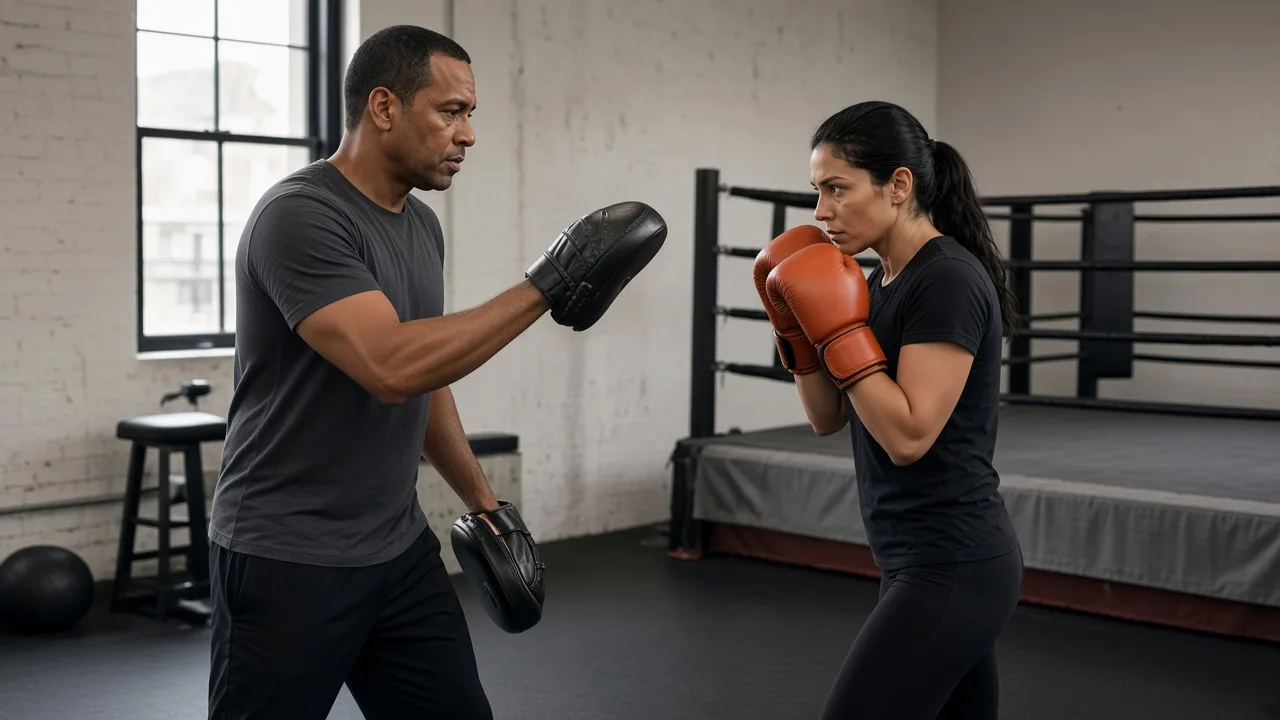
Coordinate the feet, hips, torso, and hands through each punch, then return to guard without leaning or overreaching.
Connect punches with a deliberate rhythm while keeping your feet underneath you and your defensive position available.
Practice blocks, slips, rolls, and exits as part of the exchange instead of treating defense as a separate activity.
Recognize when you are close enough to land cleanly, when you are crowded, and when a step is needed before punching.
Step, pivot, and change angles while preserving balance, stance width, and the ability to punch or defend.
Use responsive pads and a stable heavy bag to turn isolated movements into controlled, repeatable sequences.
Position before speed
A useful stance lets you punch, defend, and move without a large reset. Technical work may adjust foot placement, weight distribution, posture, hand position, or the way you recover after an action.
Guard is active rather than fixed. Your hands, shoulders, elbows, and head position change with the punch or defensive response, but they should return to a reliable position.
Repetition is most useful when the goal is specific. A round might focus on landing the jab without reaching, stepping after a combination, or finishing every sequence in balance.
Speed and volume can increase after the movement is consistent. Pads add timing and coaching cues; bag work adds contact, range, and the challenge of maintaining form through a full round.
Boxing technique is not a collection of isolated punches. Footwork establishes range, the punch creates an opening, defense manages the return, and movement puts you in position for the next action. Training connects those decisions through short sequences before adding longer combinations.
Beginners can use technique sessions to establish sound habits. People with experience can use them to examine recurring problems, refine transitions, or simplify movements that have become rushed. For direct, individual feedback, compare private boxing training; for shared drills and class rounds, review group training.
Start training
Request focused boxing technique training or start with an introductory session.